Blog · projects
How to Send Customer Updates During a Home Service Job
By Nathan Glass · September 18, 2026
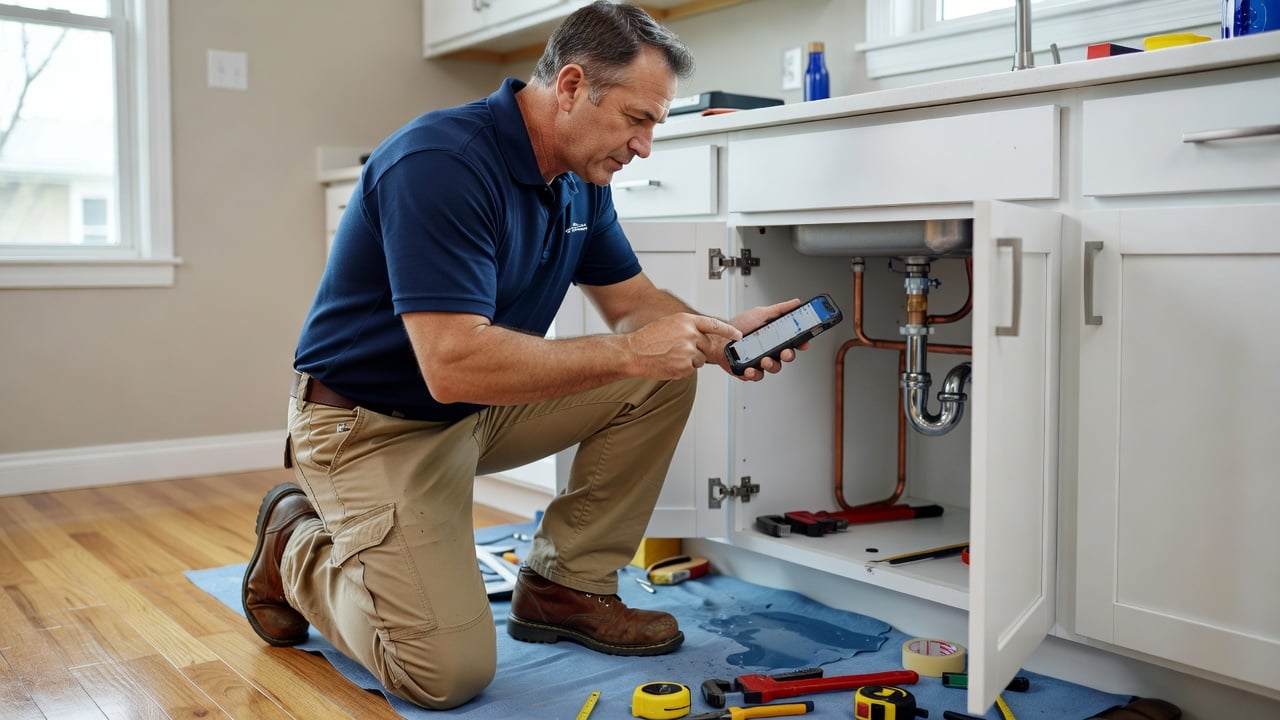
Sending timely customer updates during a home service job keeps homeowners informed, cuts down on repeat calls, and builds the kind of trust that turns one job into referrals. The first step is deciding what to share and when, then sticking to a repeatable routine that fits the pace of field work. start a free website
Why Timely Updates Reduce Stress for Both Sides
Homeowners often feel anxious once work begins inside their property. They wonder where the crew is, what the next step looks like, and whether the timeline still holds. A short update sent at key moments answers those questions before they become phone calls. For a plumber replacing a water heater, a single text at arrival and another at the two-hour mark can prevent three or four worried calls. The same holds for an electrician running new circuits in an older home where the owner cannot see the progress behind walls.
Service owners who send updates report fewer interruptions during the day. Crews stay focused on the work instead of stopping to answer the same questions multiple times. The result is faster job completion and fewer mistakes caused by rushed explanations over the phone. An HVAC technician mid-repair can keep momentum when the homeowner already knows the crew will finish by 4 p.m. Cleaners finishing a deep clean of a rental property also benefit when the owner receives a quick note that the kitchen and bathrooms are complete.
Consistent communication also protects your reputation. When a homeowner feels left in the dark, small issues feel larger than they are. Regular notes show you are in control and paying attention to their home. Over multiple jobs this habit becomes part of how neighbors describe your company. Roofers who send midday photos of decking repairs often hear later that the clear updates helped the homeowner recommend them to friends.
Setting Clear Expectations at the Start of the Job
Good updates begin before the first tool comes out of the truck. During the walk-through, tell the homeowner exactly when they will hear from you and what form those messages will take. Most people prefer a simple text or photo rather than a long email. Write the plan down on the work order so both sides have the same record. A landscaper starting a full yard renovation can note that photos will arrive at 10 a.m. and 3 p.m. each day.
Note the times you plan to check in, such as arrival, midday progress, and end of day. This removes guesswork and sets a professional tone from the first minute. For longer jobs like a full roof replacement, add one extra check-in after lunch so the homeowner can plan around noise and access. Electricians handling panel upgrades often list arrival, breaker labeling, and final inspection times right on the agreement.
Include a short note on how changes will be handled. If materials run late or an unexpected issue appears, the homeowner already knows you will send a quick message rather than leave them wondering. That single sentence prevents most follow-up anxiety and keeps the day moving. HVAC companies facing refrigerant delays use the same upfront statement to keep customers calm when the timeline shifts by a few hours.
Choosing the Right Channels for Updates
Text messages work best for most home service jobs because they reach the homeowner quickly and do not require an app. Keep each message short, under three sentences when possible, and include one photo when it adds clarity. A landscaper can snap a quick shot of the new sod layout and caption it in under thirty seconds. Plumbers fixing slab leaks often send one image of the exposed line and one line of text about the repair plan.
Some owners use a shared photo album or simple job board that the homeowner can check on their own time. This works well for longer projects that span several days. The key is picking one method and using it every time so the homeowner knows where to look. Avoid switching between text, email, and calls on the same job. Roofers spanning two or three days on a steep pitch find a shared album reduces questions about weather delays.
Phone calls still have a place when the news is complicated or involves a price change. A quick text first asking if now is a good time shows respect for their schedule and keeps the conversation focused. Electricians dealing with panel upgrades often find this two-step approach prevents miscommunication on scope. Cleaners who discover hidden pet stains can text first, then call only if the owner wants to discuss extra time.
What Information Homeowners Actually Want to Know
Focus on three things in every update: current status, next step, and any impact on the original timeline. Skip technical details unless the homeowner has asked for them. A photo of the work area with a short caption usually explains more than a paragraph of text. Homeowners care more about whether they can use the kitchen by dinner than about pipe sizes. HVAC techs replacing a compressor can simply note the unit is out and the new one is being installed.
Arrival and departure times matter. Let them know when the crew is on site and when they expect to finish for the day. If the job runs into the next day, say so early so the homeowner can adjust their own plans. A simple template works: “Crew on site at 8:15. Starting with main line inspection. Next update at noon.” Roofers use the same format when weather forces an early stop.
Material or part delays should be reported as soon as you know. Pair the news with the new expected arrival time and what the crew will do in the meantime. Homeowners accept delays better when they hear about them from you instead of discovering an empty driveway. Keep a short list of standard delay phrases on your phone for speed. Plumbers waiting on a specific valve size often reuse one clear sentence that includes the revised finish time.
Handling Unexpected Delays or Changes Professionally
Delays happen. The difference between a frustrated homeowner and a calm one is often the speed and tone of the first message. State the issue plainly, give the new timeline, and offer the next action you are taking. Never leave the homeowner to guess the impact on their schedule. An electrician who hits hidden knob-and-tube wiring can send one photo and the revised two-day plan without extra explanation.
If the crew must return tomorrow, say what time they will arrive and what portion of the job remains. Offer to adjust the schedule if the new time conflicts with their day. A roofer who finds hidden deck damage can send the photo, the revised day-two plan, and a two-sentence explanation in one message. HVAC teams facing compressor backorders use the same direct format to keep the customer informed.
Price changes require the same direct approach. Explain the reason in one sentence, show the new total, and ask for approval before continuing. Most homeowners appreciate the honesty and the chance to decide rather than receiving a surprise bill at the end. Document the approval in the same thread for your records. Cleaners who find extra rooms that need attention follow the same one-sentence explanation and approval step.
Using Simple Systems to Stay Consistent
Consistency comes from a short checklist the crew can follow without extra paperwork. List the moments when an update must go out: arrival, major progress point, any delay, and end of day. Assign one person to send the messages so nothing falls through the cracks. Many small service companies find that tools built for local trades help maintain this routine across every job without extra apps. Start a free website that includes built-in lead capture and simple job notes so updates stay organized.
Keep a short list of standard phrases on your phone for quick copy-and-paste. This keeps the tone professional even on busy days. Photos taken at the same angles each visit also make progress easy to see without long explanations. A cleaning company can reuse the same three templates for arrival, mid-job, and final walkthrough. Plumbers and electricians often keep four templates covering arrival, inspection complete, repair in progress, and final walkthrough.
This approach fits naturally into the larger process of running jobs as a small service company. When updates become routine, the whole job runs smoother and the crew spends less time on the phone. Review the checklist at the end of each week and adjust times that did not work. HVAC and roofing crews that follow the same pattern week after week report fewer after-hours calls from worried homeowners.
How Good Communication Leads to More Referrals
Homeowners remember how they felt during the job more than the exact price. Clear updates create a sense of control and respect that often turns into a review or a referral to neighbors. The extra thirty seconds spent sending a photo pays off in future work. A satisfied customer is far more likely to mention your name when a friend needs the same service. Landscapers who send daily progress photos often receive referrals from the same neighborhood within weeks.
After the job ends, a short thank-you message that includes the final photos reinforces the positive experience. Many owners add a simple request for a review at this point because the homeowner is already satisfied and the interaction is fresh. Send it the same day the crew leaves so the memory stays strong. Electricians and plumbers who close every job with one photo and a thank-you note see higher review response rates.
Over time these habits become part of the company reputation. New customers hear from past clients that the crew stayed in touch and finished on time. That reputation brings in jobs without extra marketing spend. Track which jobs generated referrals and note the update pattern that worked best. Cleaners and roofers who keep simple records of update timing often see the same pattern repeat across multiple neighborhoods.
Frequently asked questions
- How often should I send updates during a typical service job?
- Send updates at arrival, midday progress, any delay, and end of day. Longer jobs may need one extra check-in after lunch.
- What is the best way to send photos with updates?
- Use text messages with one clear photo per update. Keep captions under three sentences and reuse the same angles each visit.
- How do I handle price changes in an update?
- State the reason in one sentence, show the new total, and ask for approval before continuing. Document the reply in the same thread.
- Should I call or text when there is a delay?
- Text first to ask if it is a good time, then call only if the change is complex. This respects the homeowner’s schedule.
- What information do homeowners care about most?
- They want current status, next step, and any impact on the timeline. Photos of the work area usually explain more than technical details.
Ready for a professional website?
Get a multi-page site built for local service businesses — free to start.
Build free website