Blog · website
Garage Door Company Website Tips That Turn Visitors Into Calls
By Nathan Glass · August 25, 2026
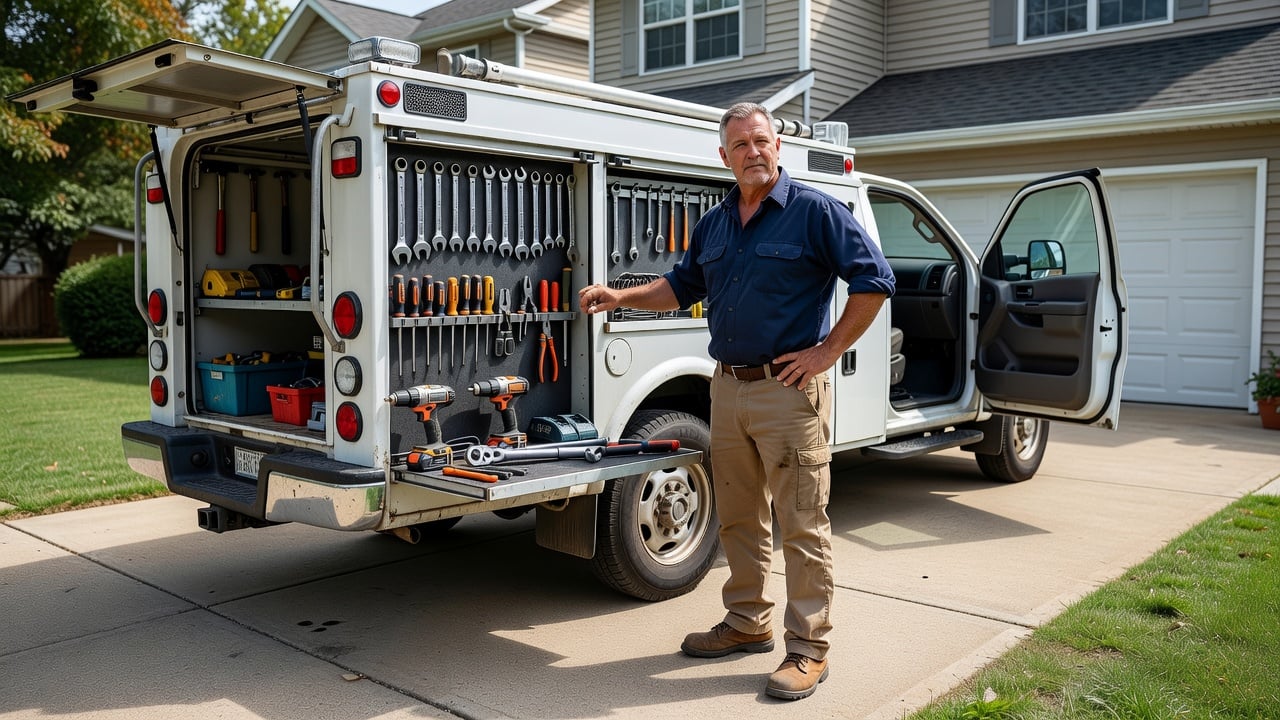
Garage door company website tips focus on showing proof of work, handling same-day emergency requests, and making the phone number easy to tap on every screen so homeowners call instead of scrolling past.
Why Garage Door Websites Need More Than a Phone Number
Most homeowners search for garage door repair or replacement when something breaks at the worst time. A site that only lists a phone number and a logo rarely converts those visitors into calls. The pages must quickly show the exact services offered, proof of recent work, and an easy way to request help without filling out long forms.
Garage door work involves safety, timing, and trust. Visitors want to see that the company handles both emergency repairs and full installations in their area. When the site makes that clear in the first scroll, more people reach for the phone instead of clicking the next result.
One-truck operators especially benefit when the site lists common issues like broken torsion springs versus extension springs, or opener brands such as LiftMaster and Chamberlain. Homeowners searching at night for a stuck door appreciate seeing that the business covers their zip code and offers same-day response options.
Core Pages That Every Garage Door Site Should Include
Start with a clear home page that states the main services and the cities served. Add a dedicated services page that breaks down repair, replacement, opener installation, spring work, and maintenance plans. Each service should have its own short description plus common problems homeowners face.
Include a gallery or project page with before-and-after photos of actual jobs. Homeowners judge quality by what they see, so label each photo with the type of door and the issue fixed. A simple contact page with the phone number, service area map, and a short form for same-day requests finishes the set.
Many garage door owners also add a page for commercial work if they serve businesses. This keeps residential and commercial leads separated while still using the same site structure.
Service pages perform better when they include bullet lists of what each job covers, such as safety sensor checks, cable replacement, or roller and hinge service. Adding a short note about typical time on site for each task helps visitors decide whether to book an emergency slot or schedule for later in the week.
Trust Signals That Make Homeowners Call
Reviews from recent customers belong on the home page and service pages. Show the full review text and the date so visitors know the feedback is current. Add any manufacturer certifications or safety training badges near the top.
Display response times for emergency calls and the average time to complete common repairs. When a site states that most same-day requests are handled within four hours, it removes uncertainty. A short section on warranties and parts used also reduces hesitation before the call.
Proof of insurance and licensing should sit in the footer or on an about page. Homeowners often check these details before dialing, and having them visible saves time for both sides.
Photos of the actual truck, crew, and tools add another layer of trust that stock images cannot match. Placing a recent review next to a photo of a completed spring replacement job gives visitors concrete evidence that the company finishes work cleanly and on time.
Local SEO Steps That Help Garage Door Companies Appear
Use city and neighborhood names naturally in page titles, headings, and the first paragraph of each service description. Create location pages only when the company actually serves those areas with regular work. A single strong page per major city works better than thin pages for every small town.
Make sure the site loads fast on mobile and that the phone number is clickable on every page. Google rewards sites that answer common questions directly, so add a short FAQ section at the bottom of service pages covering spring replacement timing, opener types, and safety sensors.
Link the site to the Google Business Profile and keep the name, address, and phone consistent everywhere. This simple step helps the site appear in the local pack when people search for garage door repair near them.
Service descriptions that mention specific door types common in the area, such as steel sectional doors or carriage house styles, help match local search intent. Updating the site with new project photos every few weeks also signals to search engines that the business stays active in the community.
Lead Forms and Follow-Up That Fit One-Truck or Small Crew Shops
Keep the main contact form to three fields: name, phone, and brief description of the issue. Longer forms lose people who need help right away. Add a note that says calls are answered during business hours and that emergency requests receive a reply within the hour.
Many garage door companies miss calls during jobs. A simple lead list that records form submissions with timestamps lets the owner review messages at the end of the day and return calls in order. This beats relying on voicemail alone.
For companies ready to grow, a free website built specifically for local service businesses includes these lead tools from the start instead of requiring extra plugins or custom code.
After a job finishes, sending a quick text link to leave a review keeps the site fresh with new testimonials. Owners who review leads once at the end of the day instead of constantly checking a phone can stay focused on the current install or repair without losing track of new requests.
Design Choices That Work on Phones and in the Truck
Garage door owners often check the site between jobs. Large text, high-contrast buttons, and a menu that collapses cleanly on small screens keep the site usable while driving. Avoid heavy image sliders that slow loading on mobile data.
Place the phone number in the top bar on every page so it stays visible without scrolling. Use one clear call-to-action button color for “Call Now” and a second, softer button for the contact form. This helps visitors choose the fastest option for their situation.
Keep the overall layout simple. Too many sections or moving elements make it harder for someone standing in a driveway to find the service they need and call.
High-resolution photos of actual doors and openers load faster when sized correctly for mobile. Testing the site on a phone while parked at a job site reveals whether buttons are large enough to tap with work gloves on or if text runs off the edge of the screen.
Common Website Mistakes That Cost Garage Door Companies Jobs
Many sites bury the service list under multiple clicks or use stock photos that do not match the actual doors installed locally. Visitors notice the mismatch and move on. Another frequent issue is missing service-area details, which makes homeowners unsure whether the company travels to their neighborhood.
Some owners skip a dedicated services page and try to explain everything on the home page. This creates long blocks of text that people skip. Separate pages with short headings and bullet lists of what each job includes perform better.
Finally, sites that never update reviews or project photos look inactive. Adding one new photo or review every few weeks keeps the site feeling current without a full redesign.
Another costly mistake is hiding the service area map or using vague language like “serving the metro area.” Homeowners want to see their exact city or zip code listed so they know the truck will arrive without extra travel fees.
How a Purpose-Built Site Builder Changes the Process
Most garage door companies do not want to manage plugins, hosting, or SEO settings on their own. A platform built for local service businesses supplies the page structure, lead forms, and local SEO basics in one place. Owners can start with a working site and adjust text or photos as jobs come in.
The website for local service businesses complete guide walks through the exact pages and details that help companies in trades like garage door work appear in local searches and convert visitors. It focuses on practical steps rather than general design advice.
Starting with a ready structure means the site can go live faster than a custom agency project and still includes the trust elements and lead tools that matter most for this trade.
Owners who begin with a purpose-built template can add new project photos from their phone the same day a job finishes. This keeps the gallery current and gives future visitors fresh examples of the exact door styles and opener brands the company handles every week.
Frequently asked questions
- What pages should a garage door website include?
- Home, services, gallery, contact, and optionally commercial work pages with clear service descriptions and local city names.
- How do I show trust on a garage door site?
- Display recent reviews with dates, insurance details, manufacturer certifications, and before-and-after photos of actual jobs.
- Does a garage door site need location pages?
- Only create them for cities you regularly serve; one strong page per major area works better than thin pages for every small town.
- What form length converts best for emergency garage door leads?
- Three fields—name, phone, and brief issue description—perform best because homeowners needing same-day help rarely complete longer forms.
- How often should I update project photos?
- Adding one new photo or review every few weeks keeps the site feeling current without requiring a full redesign.
- Why does mobile design matter for garage door companies?
- Owners check the site between jobs and homeowners often search from driveways, so large text, fast load times, and a visible phone number on every page are essential.
Ready for a professional website?
Get a multi-page site built for local service businesses — free to start.
Build free website