Blog · leads
Lead Management for Roofing Company: Steps That Turn Inquiries Into Jobs
By Nathan Glass · September 14, 2026
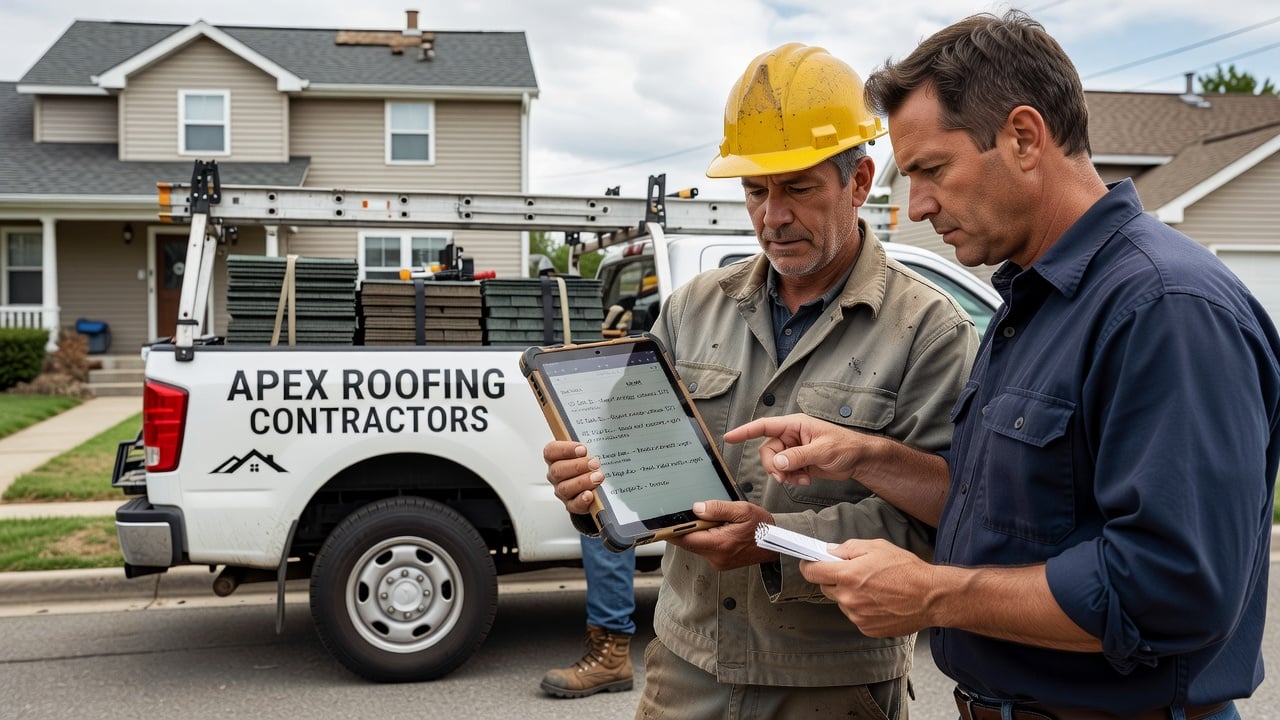
Effective lead management for a roofing company starts with fast capture, clear tracking, and consistent follow-up so every inquiry has a chance to become a signed job. The rest of this guide breaks down the exact steps roofers use to stay on top of calls, forms, and estimates without adding extra staff.
Why Roofing Companies Lose Leads
Roofing work is seasonal and often tied to storms, insurance claims, or sudden leaks. When a homeowner calls or fills out a form, they usually need a quick response. Delays of even a few hours let competitors step in. Many small roofing crews track leads on paper notes or scattered texts, which means estimates get missed and follow-ups never happen. Storm season can flood a crew with twenty or thirty inquiries in a single week, and without a central list the ones that arrive after 5 p.m. simply vanish.
Another common issue is mixing job types. A simple shingle repair lead needs different handling than a full roof replacement or commercial job. Without a simple system to sort by urgency and job size, crews waste time on low-value inquiries while high-value ones go cold. Insurance claims add another layer because they often carry deadlines and require photos and documentation before any work can start. The result is fewer signed contracts even when the phone rings often.
Crew scheduling makes the problem worse. A two-man crew cannot be in three neighborhoods at once, so leads that require immediate site visits must be separated from those that can wait until the following week. When notes live in multiple places, the owner ends up driving past a hot lead because the address was written on a scrap of paper that never made it into the truck.
Capturing Leads From Every Channel
Roofing leads arrive through Google Business Profile calls, website forms, Facebook messages, and referral texts. The first step is to route every source into one list so nothing disappears. Start by listing your current channels and noting where each lead lands today. Then decide on a single place to record the name, phone, job type, and source for every new inquiry. Most roofers find that a shared spreadsheet or simple online list works better than separate notebooks for each crew member.
Website forms should ask for roof age, damage type, and insurance status right away. This extra detail helps you prioritize before the first call. For phone leads, keep a simple log that records the time of the call and the next action. Many roofers also add a note about whether the lead came from a storm area or a referral, since those often close faster. Facebook messages and texts from past customers need the same treatment so the information does not stay trapped inside a personal phone.
Seasonal spikes require extra discipline. After a hail storm, homeowners may call from several surrounding towns. Recording the city and whether the property is in a declared disaster area helps the crew plan routes and decide which leads to visit first. Without that detail, the same crew ends up driving back and forth across the county instead of grouping nearby addresses.
Organizing and Prioritizing Roofing Inquiries
Once leads are captured, sort them by job type and timeline. High-priority leads include active leaks, insurance claims with deadlines, and referrals from past customers. Lower-priority leads might be future roof replacements planned for next season. A basic priority list keeps the crew focused on work that can be scheduled this week or next. Storm damage calls usually sit at the top because the homeowner needs an inspection before filing a claim.
Use a short checklist for each lead: confirm contact info, note roof details, record source, and set a follow-up date. Review the list at the end of each day so nothing sits longer than 24 hours. This habit alone raises close rates because homeowners remember the company that called back first. Insurance leads often need an extra line on the checklist for “claim number received” and “adjuster appointment set.”
Here is a simple daily priority checklist roofers can print and tape inside the truck cab:
- Active leak or water in attic – call within one hour
- Insurance claim with deadline this week – schedule visit today
- Referral from recent customer – call same day
- Planned replacement next season – add to monthly follow-up list
- Commercial building – confirm square footage before quoting
Review the list each morning before the crew leaves and again before the office closes. The five-minute review prevents the common mistake of driving past a high-value lead because it was buried under lower-priority notes.
Following Up on Estimates Without Losing Track
Most roofing estimates require at least one follow-up after the site visit. Create a simple schedule: same-day thank-you text, three-day check-in call, and one-week reminder if no decision. Keep notes on what the homeowner said about budget, timeline, and competing bids so the next conversation feels personal. Insurance claims often need an extra step because the adjuster report may arrive days or weeks later.
Many roofers lose jobs because they send an estimate and then wait. Instead, ask during the visit when the homeowner plans to decide and set that date in your tracking list. A short message on that date asking if they have questions keeps the conversation open without pressure. For a broader view, see our guide on lead management for local service businesses.
Seasonal work adds another timing issue. A roof replacement quoted in late fall may not move forward until spring. Tagging the lead with a “revisit in March” reminder prevents the file from disappearing during the slow months. Crews that maintain this habit often book the first jobs of the new season before competitors even make contact.
Simple Tools That Fit a Roofing Crew
Heavy CRM systems built for large sales teams often add more work than they save for a five-person roofing company. Instead, look for a lightweight system that lets you log a lead in under a minute and pull up the history before any follow-up call. The best tools also connect directly to your website so form submissions appear automatically. Roofers who still rely on paper or scattered phone notes quickly fall behind once storm season begins.
When choosing a platform, check that it supports quick notes on job type, insurance status, and next action. Avoid anything that requires daily logins or complex pipelines. A clean list view with search and reminders is usually enough. You can start a free website that includes built-in lead capture at https://augenix.ai/build and expand from there as your volume grows.
Many roofing crews also need offline access. If the crew is on a job site with poor cell signal, the tool should let them add notes on a phone and sync later. This single feature prevents the common problem of losing details between the truck and the office at the end of a long day.
Measuring What Actually Moves the Needle
Track three numbers each month: total leads captured, leads that received a site visit, and leads that turned into signed jobs. These three figures show where leads drop off. If many inquiries never get a visit, the follow-up process needs tightening. If visits happen but few close, review how estimates are presented or priced. Storm leads and insurance claims often convert at different rates, so separate those two categories when possible.
Also note the source of each closed job. Over time you will see whether Google calls, website forms, or referrals produce the best roofing work. Adjust marketing spend toward the sources that convert and reduce effort on channels that mostly bring tire-kickers. Simple monthly reviews keep the system honest and prevent drift back to scattered notes.
Use this short monthly review table to stay consistent:
| Metric | This Month | Last Month | Change |
|---|---|---|---|
| Total leads captured | |||
| Leads that received site visit | |||
| Signed jobs | |||
| Best converting source |
Fill the table at the end of each month and keep the last three months visible. Patterns appear quickly and help the owner decide where to spend limited marketing time and money.
Building a Site That Supports Lead Management
A roofing website should make the next step obvious on every page. Clear phone numbers, a short form asking about roof issues, and service pages that explain common jobs all reduce friction. When the site itself captures details like roof age and insurance status, the first phone call starts further along and closes faster. Service pages for storm damage, insurance claims, and shingle repair each need their own form so the lead arrives with the right context already attached.
Keep the design focused on trust signals: recent project photos, review excerpts, and licensing information. Homeowners researching roof replacement want proof you handle insurance claims and storm damage locally. A site built with these elements feeds better leads into your tracking system and reduces time spent qualifying callers who are not ready to move forward. Add a simple “request inspection” form on the homepage and on each service page rather than a generic contact form. The extra fields cut down on unqualified leads and give the crew the information they need before driving out.
Finally, make sure the site works on mobile devices. Most homeowners search for roofers from their phones after noticing a leak or seeing storm damage on a neighbor’s house. A form that is easy to complete on a small screen captures more leads than one that requires zooming and scrolling. The combination of clear service pages, targeted forms, and mobile-friendly design turns the website into an active part of the lead management system instead of a static brochure.
Frequently asked questions
- How fast should a roofing company respond to a new lead?
- Most homeowners expect a call or text within one hour during storm season. Same-day contact keeps the lead from going to a competitor.
- What details should a roofing lead form collect?
- Ask for roof age, type of damage, whether insurance is involved, and the best time for a site visit. These fields help prioritize before the first phone call.
- How do small roofing crews track follow-ups without a full CRM?
- A shared list with columns for name, source, job type, next action, and follow-up date is usually enough. Review the list at the end of each day.
- Should insurance claims be handled differently from cash jobs?
- Yes. Insurance leads need fields for claim number and adjuster appointment. They also require faster follow-up because of filing deadlines.
- What is the simplest way to measure lead management results?
- Track three numbers monthly: total leads, leads that received a site visit, and signed jobs. Separate storm and insurance leads to see which sources convert best.
Ready for a professional website?
Get a multi-page site built for local service businesses — free to start.
Build free website