Blog · website
Local SEO for HVAC Companies With a Website: Steps That Actually Move the Needle
By Nathan Glass · August 19, 2026
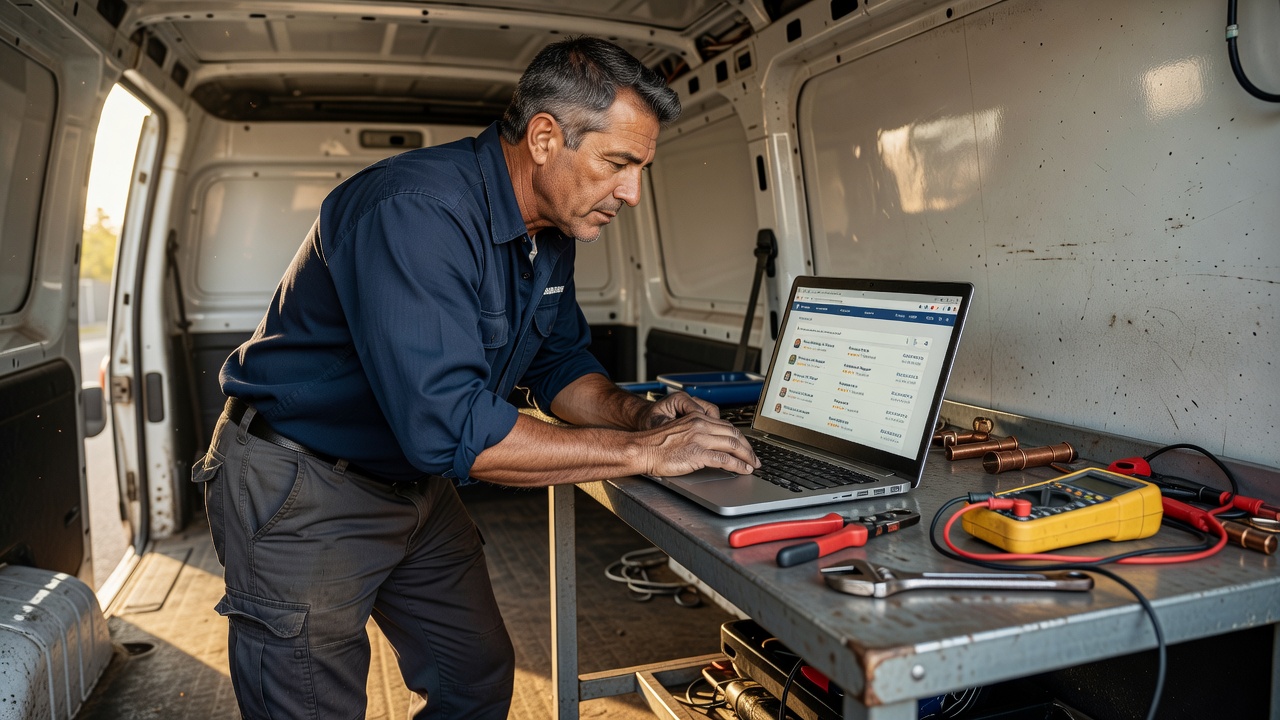
Local SEO for HVAC companies with a website starts by tuning the site you already own to the signals Google uses for map pack and local organic results. The goal is more calls from homeowners searching for furnace repair, AC installation, or seasonal maintenance in your service area.
Why Local SEO Matters Even If You Already Run an HVAC Website
Most homeowners still start their search on Google Maps or the regular results page when something breaks. A website that ranks locally turns those searches into booked jobs instead of letting competitors appear first. HVAC work is urgent and location-specific, so small improvements in visibility often produce measurable call volume within weeks.
Companies that ignore local signals on an existing site usually see traffic stall. The site may look fine to the owner, yet Google treats it as less relevant than competitors whose pages, profiles, and citations match the query more closely. Fixing the gaps does not require a full rebuild.
HVAC businesses that already have a site gain an advantage because they can update content and structure immediately. Adding neighborhood mentions, service checklists, and clear contact forms on existing pages helps Google connect the site to real local demand without waiting for a new build.
Seasonal demand spikes make local visibility especially valuable. When a heat wave hits or temperatures drop suddenly, homeowners search for fast local help. Sites that already appear in map results capture those time-sensitive queries before competitors can respond.
Aligning Your Existing Website Structure With Local Search Signals
Start by checking that every page includes your full business name, address, and phone number in the footer or contact section. Use the same NAP format everywhere. Inconsistent formatting confuses search engines and weakens local rankings. For a complete foundation on site structure for service businesses, review our website for local service businesses complete guide.
Break the site into clear service pages rather than one long homepage. Create separate pages for central air installation, furnace repair, duct cleaning, and heat pump service. Each page should name the cities or neighborhoods you serve and include a simple contact form. This structure helps Google understand exactly which services you offer in which locations.
Internal links matter too. Link from the homepage to each service page and back again. Add links from service pages to your Google Business Profile and review request page. These connections tell search engines the site is organized and useful for local queries.
Review your current navigation menu and footer links. Make sure service pages link back to a main locations page that lists every area you cover with short descriptions of common HVAC issues in those spots. This cross-linking strengthens topical authority without adding new pages.
Optimizing Google Business Profile Alongside Your HVAC Site
Your Google Business Profile remains one of the strongest local ranking factors. Make sure categories are accurate, service descriptions match the pages on your site, and hours reflect real availability. Add photos of recent jobs, vans, and technicians so homeowners see proof of work before they call.
Post updates regularly. Share seasonal tips, maintenance reminders, or before-and-after photos from completed calls. These posts keep the profile active and give Google fresh content tied to your location. When the profile and website reinforce the same services and areas, local rankings tend to improve.
Keep service descriptions consistent between the profile and site pages. If your website lists “same-day furnace repair,” use the same phrasing in the Google Business Profile services section. This alignment reduces confusion for both search engines and customers.
Verify that your profile lists every service area you actually cover. Add short descriptions of neighborhoods where you complete the most work. Homeowners often search by specific town or zip code, so matching those terms on the profile helps the site and profile appear together in results.
Creating Service Pages That Rank for Local HVAC Searches
Each service page needs a clear headline that includes the main keyword and location. For example, “Furnace Repair in [City] – Same-Day Service” works better than a generic title. Follow the headline with a short paragraph that explains the problem homeowners face and the solution you provide.
Include a checklist of what the service covers, common signs the system needs attention, and typical response times. Add a simple form that asks for name, phone, and preferred time. Keep the form short so mobile users can submit it quickly. Pages built this way convert better than thin pages that only list prices.
Update these pages seasonally. Add notes about spring tune-ups or winter emergency availability. Fresh content on existing pages signals to Google that the site stays relevant to local HVAC needs.
Build a short FAQ section at the bottom of each service page using questions homeowners actually ask, such as how long a typical repair takes or whether you handle older equipment brands. Answer each question in two or three sentences so the content stays scannable and helpful.
| Service Page Element | Example for Furnace Repair Page | Why It Helps Local SEO |
|---|---|---|
| Headline with city | Furnace Repair in [City] – Same-Day Service | Matches exact local queries |
| Service checklist | Thermostat check, blower motor inspection, filter replacement | Shows expertise and keeps users on page |
| Neighborhood mentions | Common issues in Northside and Downtown areas | Builds relevance for map pack |
| Short contact form | Name, phone, preferred callback time | Improves conversion and engagement signals |
| Equipment brands | Trane, Carrier, Lennox, Goodman | Matches long-tail searches |
Write the first 150–200 words of each service page in your own voice. Describe a typical call: “When a homeowner in [City] notices uneven heating, we start with a full system diagnostic before quoting repairs.” This concrete detail helps both readers and search engines understand the page is local and useful.
Managing Reviews and Citations to Strengthen Local Authority
Reviews influence both ranking and conversion. Ask every completed job for a review and make the request easy by texting a direct link. Respond to every review, positive or negative, within a day or two. Thoughtful replies show potential customers you stand behind your work.
Citations should match the NAP on your website exactly. Submit or correct listings on the major directories HVAC customers actually use. Focus first on the top ten or so rather than chasing hundreds of low-quality sites. Consistent citations help Google trust that your business operates where it claims.
Create simple review request templates you can reuse. One version can read: “Thanks for letting us service your system today. If you have a minute, would you mind leaving feedback here?” Send it by text right after the job so the request feels timely.
Reply template for negative reviews: “We’re sorry the experience fell short. Please call us at [number] so we can make this right.” Short, professional replies protect your reputation and show Google you actively manage customer feedback.
Measuring What Works With Simple Tracking Tools
Set up call tracking numbers tied to the website so you can see which pages and sources produce calls. Review Google Search Console weekly for impressions on local queries and note which pages earn clicks. Track form submissions in a simple spreadsheet if you do not yet use more advanced lead tools.
Look at the data monthly. If one service page receives steady impressions but few calls, strengthen the headline or add more location mentions. Small, repeated adjustments based on real numbers usually outperform large one-time changes.
Compare call volume before and after page updates. Note which neighborhoods generate the most leads and add more specific content about those areas on the relevant service pages. This data-driven loop keeps local SEO efforts focused on what actually brings jobs.
| Tracking Task | Tool | Frequency | Action if Numbers Drop |
|---|---|---|---|
| Local query impressions | Google Search Console (filter: site:yourdomain.com + query contains city name) | Weekly | Add neighborhood text to service pages |
| Form submissions | Spreadsheet or built-in form analytics | Weekly | Shorten form fields or move it higher |
| Call volume by source | Call tracking numbers | Monthly | Strengthen CTA on low-performing pages |
| Review count and rating | Google Business Profile dashboard | Monthly | Increase review request texts after jobs |
Export Search Console data monthly and sort by pages. Pages with high impressions but low CTR usually need clearer headlines or faster-loading images of recent HVAC work.
Avoiding Overlooked Local SEO Pitfalls for HVAC Teams
Many HVAC companies add too many service areas at once. Google favors businesses that demonstrate real presence in fewer locations first. Start with the cities where you already complete the most jobs and expand later.
Another common issue is burying contact information. Place the phone number in the header on every page and keep the form visible above the fold on mobile. Homeowners searching on phones expect immediate access to a number or form.
Finally, avoid copying generic content from other sites. Write descriptions that reflect how your team actually works in your area. Unique details about equipment brands you service or typical response times help the pages stand out.
Check your site speed on mobile, since slow pages lose both rankings and leads during peak seasons. Compress images of job sites and test forms on actual phones used by technicians in the field. If your current site needs updating, you can start building a free HVAC site at Augenix.
Frequently asked questions
- How long does it take to see results from local SEO on an HVAC website?
- Most HVAC companies notice improved impressions within two to four weeks after fixing NAP consistency, service pages, and Google Business Profile details, with call increases often following in the next month.
- Should I create separate pages for every city I serve?
- Focus first on the five to seven cities where you complete the most jobs, then expand. Google rewards demonstrated presence over thin location pages that lack unique content.
- What is the best way to request reviews from HVAC customers?
- Text a direct link right after the job completes. Keep the message short and reference the specific service performed so the request feels personal and timely.
- How often should I update service pages on my HVAC site?
- Review each service page quarterly and add seasonal notes, new equipment brands, or neighborhood-specific tips. Fresh content helps maintain relevance for local queries.
- Do I need call tracking numbers for local SEO?
- Yes. Unique numbers tied to the website let you measure which pages and sources actually produce calls so you can double down on what works.
- What common mistake hurts HVAC local rankings the most?
- Inconsistent NAP across the website, Google Business Profile, and directories confuses Google and weakens map pack visibility more than almost any other factor.
Ready for a professional website?
Get a multi-page site built for local service businesses — free to start.
Build free website